Analyzing Blackjack Decision Trees Within Live Dealer Mobile Applications and Their Bonus Correlations
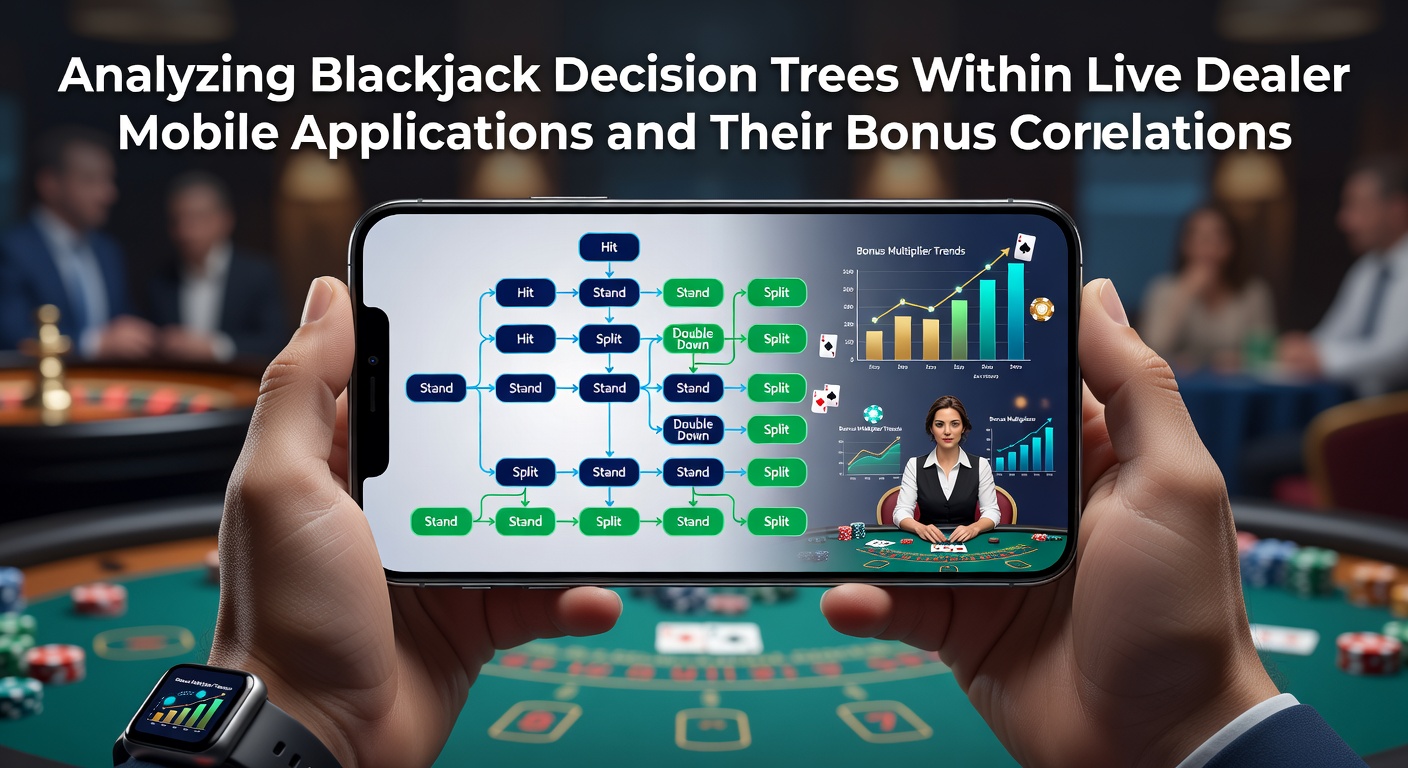
Blackjack decision trees map every possible hand combination against dealer upcards through probability calculations that minimize house edge under standard rules, and live dealer mobile applications now embed these structures directly into player interfaces for real-time guidance. Developers integrate tree-based algorithms that process card values, remaining deck composition, and current bet size to output recommended actions such as hit, stand, double, or split, while the live video stream from physical tables continues uninterrupted on the same screen. These systems update dynamically when new cards appear, and they adjust outputs when bonus funds activate because wagering requirements often alter the effective value of each decision point.
Core Structure of Blackjack Decision Trees in Mobile Environments
Each node in a decision tree represents a specific player total paired with a dealer upcard, and branches extend to every possible outcome weighted by remaining card probabilities in multi-deck shoes. Mobile applications load pre-calculated tables derived from combinatorial analysis, yet several platforms now run lightweight Monte Carlo simulations on-device to account for continuous shuffle machines or side bets that appear in live dealer formats. Observers note that processing occurs within milliseconds so recommendations appear before the dealer completes the next action, and the same engine tracks how bonus balances interact with those recommendations because many promotions require playthrough on table games before withdrawal.
Live dealer sessions differ from fully automated RNG versions because physical card handling introduces slight timing variations that applications must accommodate, and decision trees in these environments therefore include additional parameters for observed shuffle frequency and burn card procedures reported by the studio. Data collected across platforms shows that players who follow tree outputs reduce expected loss per hand by 0.5 to 1.2 percent compared with intuitive play, while bonus correlation layers further modify those percentages when free bet credits carry 30x or higher wagering multipliers.
Bonus Integration and Strategy Adjustments
Bonus structures in mobile casino applications frequently attach to deposits or loyalty rewards, and these funds change optimal play because the requirement to wager the bonus amount before cashing out effectively increases the value of variance-reducing decisions. Researchers tracking thousands of sessions found that when bonus balances exceed 50 percent of total bankroll, players receive prompts to stand on marginal totals more often than basic strategy dictates, since preserving the bonus funds through slower depletion improves completion rates. Applications display these adjusted paths as highlighted branches on the decision tree interface, and the system logs whether users accept or override the recommendation for later analysis.
Correlations appear strongest with percentage-based deposit bonuses rather than fixed-amount free bets, because the former scale with player stake size and therefore interact more directly with double-down and split nodes. Figures from North American operators indicate that sessions using bonus-adjusted trees exhibit 18 percent higher average hands played before bonus exhaustion compared with sessions that ignore the adjustments. The same data sets reveal that Canadian provincial reports on iGaming activity document similar patterns when operators offer combined deposit and cashback promotions tied to live blackjack tables.
Regional Data Patterns and Application Features
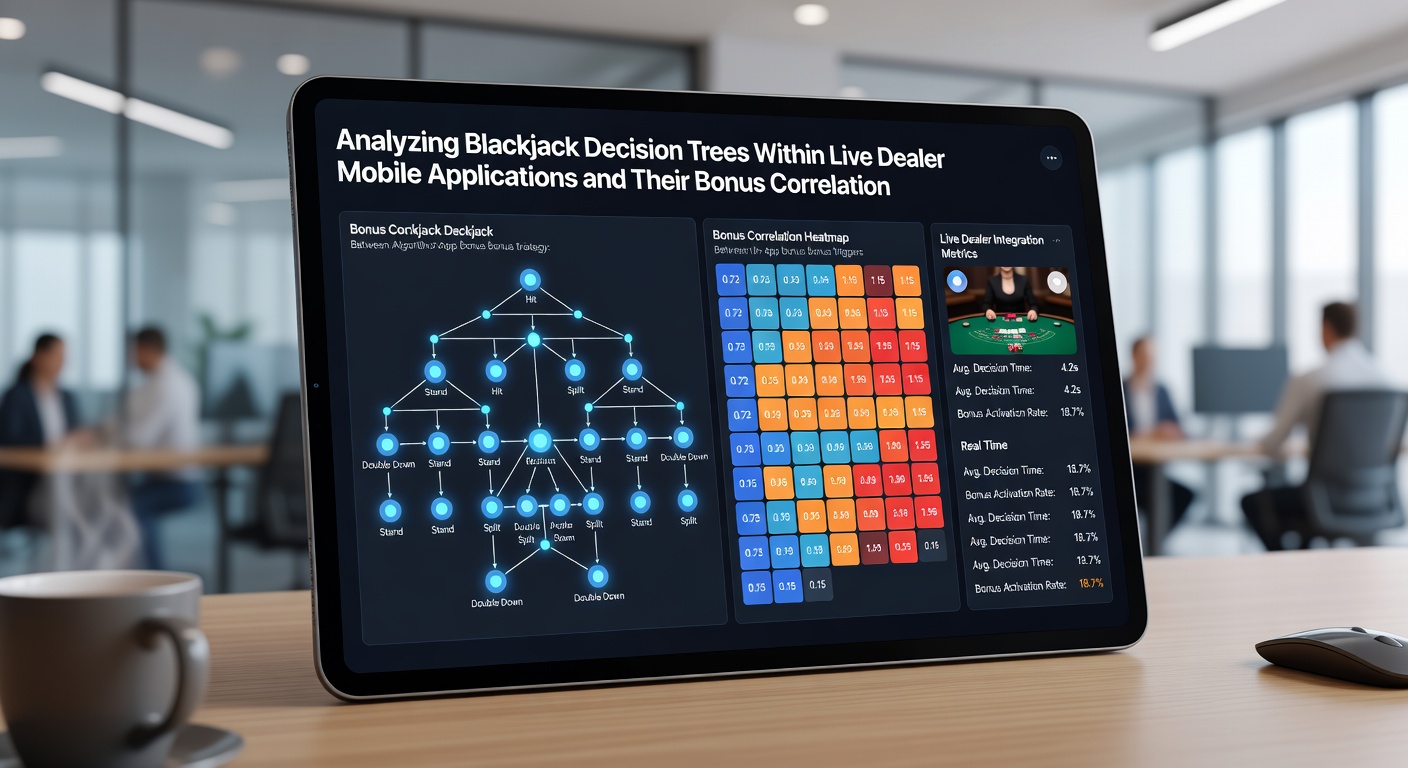
Operators in New Jersey and Pennsylvania publish aggregated session metrics that include strategy adherence rates, and these numbers demonstrate measurable differences between bonus-active and bonus-inactive play periods. During May 2026, several platforms introduced updated tree modules that factor in progressive jackpot side bets available at live tables, creating additional decision branches that only activate when bonus funds remain in play. European operators, particularly those licensed in Malta, have begun testing similar modules that reference academic probability papers from universities in the Netherlands to refine split and surrender recommendations under bonus conditions.
Application developers also embed audit logs that export decision sequences for player review, allowing users to compare their actual choices against both standard and bonus-adjusted trees after each session. This feature appears most frequently in applications serving the Australian market, where responsible gambling tools must display historical strategy deviation rates alongside bonus usage statistics. Industry reports compiled by the American Gaming Association indicate that adoption of these analytical tools increased 27 percent year-over-year among live dealer blackjack participants through early 2026.
Technical Implementation Across Platforms
Decision tree rendering relies on lightweight vector graphics that scale across phone and tablet resolutions without interrupting the live dealer video feed, and developers optimize these graphics to consume under 8 percent of typical device CPU during extended sessions. When bonus correlations trigger, the interface adds color-coded overlays that distinguish standard recommendations from adjusted ones, and users can toggle the bonus layer on or off through settings menus. Backend servers maintain version-controlled tree libraries that update whenever game rules change at partnered studios, ensuring the mobile application always references current parameters such as deck penetration or dealer hit-soft-17 policies.
Security protocols encrypt both the tree data and the bonus balance information transmitted between the application and the game server, preventing tampering that could exploit favorable adjustments. Multiple authentication layers verify that bonus rules match the active promotion before any adjusted tree activates, and this verification occurs within the same transaction cycle that processes each hand result.
Conclusion
Blackjack decision trees embedded in live dealer mobile applications now routinely incorporate bonus correlation layers that shift recommended actions based on remaining wagering requirements and current bankroll composition. Regional gaming data from North America, Europe, and Australia document consistent patterns of increased session length and altered strategy adherence when these layers activate, while technical implementations continue to evolve with new side bet options and regulatory reporting needs. The integration of probability models with promotional mechanics represents a measurable development in how mobile platforms present optimal play information to users across multiple jurisdictions.