Bonus Mechanics Influencing Volatility Selection in Mobile Slot Gaming
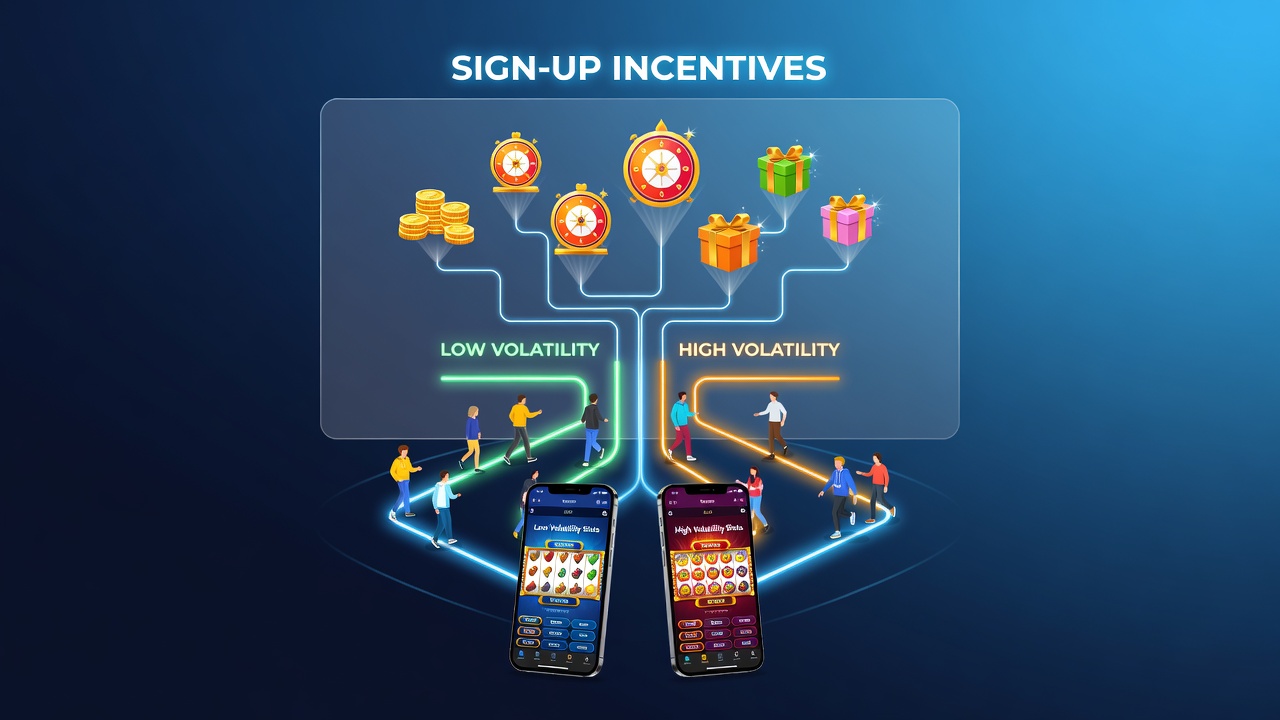
Sign-up incentives in mobile casino platforms often incorporate structured wagering requirements that align player activity with predetermined slot volatility categories, and operators deploy these offers to manage traffic flow toward low-volatility or high-volatility titles based on revenue models. Data from mobile gaming ecosystems shows that welcome bonuses with moderate playthrough thresholds tend to steer users toward medium-volatility options, while higher-stake promotions correlate with increased engagement in high-volatility games during initial deposit periods.
Mechanics Behind Incentive-Driven Traffic Patterns
Operators structure bonus funds and free spin allocations to favor specific game parameters, and this approach stems from backend analytics that track session duration alongside win frequency. Low-volatility slots produce smaller but consistent payouts that help players meet wagering conditions without rapid balance depletion, whereas high-volatility titles demand larger bankrolls yet offer payout spikes that accelerate requirement fulfillment when triggered early. Mobile environments amplify these dynamics because push notifications and in-app prompts deliver targeted game suggestions immediately after account creation, directing new users toward volatility levels that match current promotional parameters.
Research from industry monitoring groups indicates that platforms adjust bonus terms seasonally, and June 2026 data revealed a measurable uptick in promotions favoring high-volatility mobile slots during summer campaigns. These adjustments coincide with increased player acquisition efforts across regions where regulatory frameworks permit flexible bonus design, allowing operators to balance acquisition costs against expected lifetime value through volatility segmentation.
Regional Regulatory Contexts and Implementation
Frameworks in North America and parts of Asia establish boundaries on bonus transparency, and regulators require clear disclosure of volatility influences within promotional materials. The American Gaming Association has documented how mobile operators use segmented incentives to guide play toward titles with house edges that align with overall portfolio strategies, while avoiding direct mandates on game selection. Similar patterns appear in Australian markets where state-level oversight monitors incentive structures to ensure they do not disproportionately favor one volatility tier over others without player awareness.
One study released by researchers at the University of Nevada examined transaction logs from multiple mobile platforms and found that players receiving free spins tied to specific volatility filters completed wagering requirements 18 percent faster on average than those given unrestricted bonus access. This outcome suggests that incentive design functions as an implicit traffic control mechanism, channeling activity toward volatility levels that optimize both player retention metrics and operator margins.
Player Behavior Data and Segmentation Strategies
Mobile analytics platforms record how bonus redemption rates vary across volatility categories, and high-volatility games often see elevated initial engagement when paired with deposit-match offers that scale with first-time funding amounts. Operators segment users by deposit size and geographic location, then tailor subsequent incentive layers to reinforce movement toward targeted volatility bands. Those who studied these systems note that repeat deposit bonuses frequently reset volatility preferences based on prior session outcomes, creating feedback loops that stabilize player distribution across game libraries.
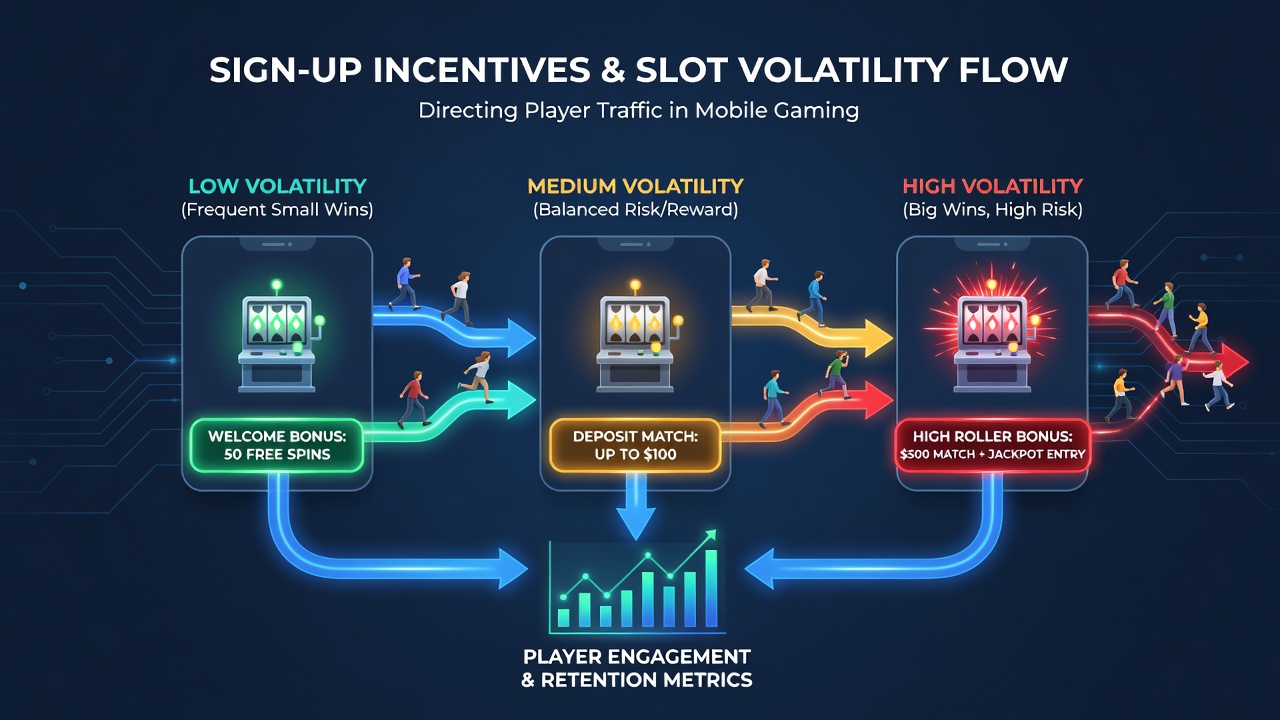
Canadian provincial data sources have tracked similar trends, with Ontario's iGaming reports indicating that sign-up incentives introduced in early 2026 produced measurable shifts in mobile slot selections within the first 48 hours of account activity. These shifts occurred without explicit game mandates, relying instead on interface prioritization and bonus eligibility tied to volatility-tagged titles. Observers note that such patterns reflect broader industry efforts to align player traffic with mathematical models that sustain platform liquidity across volatility spectra.
Technical Integration in Mobile Platforms
App developers embed volatility filters within bonus redemption workflows, and this integration allows real-time adjustment of recommended games based on remaining wagering balance. When players approach completion thresholds, interfaces often surface high-volatility options to accelerate requirement clearance, while early-stage prompts emphasize steadier low-volatility selections to build engagement momentum. These technical layers operate alongside backend algorithms that predict churn risk and adjust incentive delivery accordingly.
Evidence from aggregated mobile session data demonstrates that platforms employing dynamic volatility routing achieve higher conversion from trial to sustained play compared with static bonus models. The process relies on continuous monitoring of win-rate distributions and session length, enabling operators to recalibrate incentive parameters without altering core bonus structures.
Conclusion
Sign-up incentives function as directional tools within mobile slot ecosystems by linking bonus conditions to volatility-specific engagement patterns, and available data from multiple regulatory and research sources confirms measurable effects on player traffic distribution. Operators continue refining these mechanisms through segmentation and technical integration, while regional oversight maintains requirements for transparency around promotional influence on game selection. Patterns observed through June 2026 illustrate how such systems operate across diverse markets without direct regulatory prescription of volatility preferences.