Demographic Shifts Driving Customization Trends in Portable Reel and Card Ecosystems Worldwide
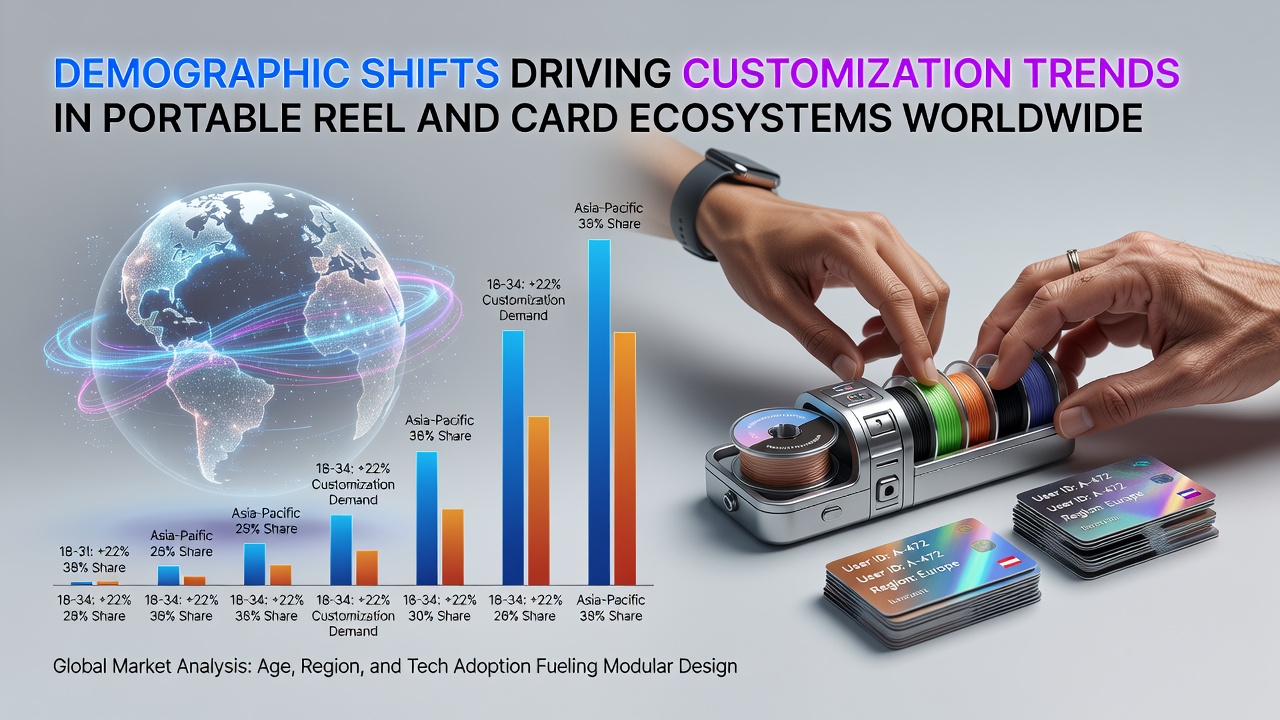
Population structures continue to evolve across continents, and these changes reshape how developers build portable reel and card platforms to match user preferences in real time. Data from multiple statistical agencies shows that age distributions, gender participation rates, and migration patterns now guide feature rollouts in mobile slot and card environments more directly than in previous decades.
Population Aging and Youth Bulges Shape Interface Designs
Countries with growing older populations often see demand for simplified navigation and larger touch targets while regions experiencing youth bulges push for faster loading sequences and social integration tools. Observers note that in Japan and parts of Europe, where median ages exceed 45, platform updates frequently include voice command options and high-contrast color schemes that reduce eye strain during extended sessions. Meanwhile developers targeting Southeast Asia and sub-Saharan Africa adjust reel animations and card layouts to accommodate shorter attention spans common among users under 30, who represent expanding market segments according to United Nations population reports.
Customization extends beyond visuals into game mechanics as well. In areas with higher concentrations of retirees, reel ecosystems incorporate slower spin cycles and adjustable payout frequencies while card platforms introduce tutorial overlays that remain available throughout play. These adaptations respond to documented differences in comfort levels with digital interfaces across generational cohorts.
Gender Participation Patterns Influence Theme and Reward Structures
Participation rates among female users have risen steadily in mobile gaming segments, prompting reel and card providers to expand thematic variety and reward systems. Research from national statistics offices in Canada and Australia indicates that women now comprise between 38 and 47 percent of active mobile reel users in those markets, up from lower shares five years earlier. This shift correlates with increased availability of narrative-driven slot themes and collaborative card variants that allow team-based progression.
Platform operators respond by segmenting content libraries according to engagement data broken down by gender and age. Reel ecosystems introduce pastel color palettes and story elements drawn from popular media franchises while card environments add cooperative modes and achievement badges that track social milestones. These modifications appear in updates released throughout 2025 and into June 2026, when several major providers synchronized feature launches across multiple regions.
Regional Migration and Urbanization Drive Payment and Language Customizations
Internal and international migration flows alter user bases in urban centers worldwide, leading developers to prioritize multilingual support and localized payment gateways within portable ecosystems. Cities experiencing rapid population influxes from rural areas or neighboring countries require interfaces that switch seamlessly between languages and currencies without disrupting gameplay flow. Data compiled by the Organisation for Economic Co-operation and Development highlights how these demographic movements concentrate in gateway cities across North America, the Middle East, and Oceania.
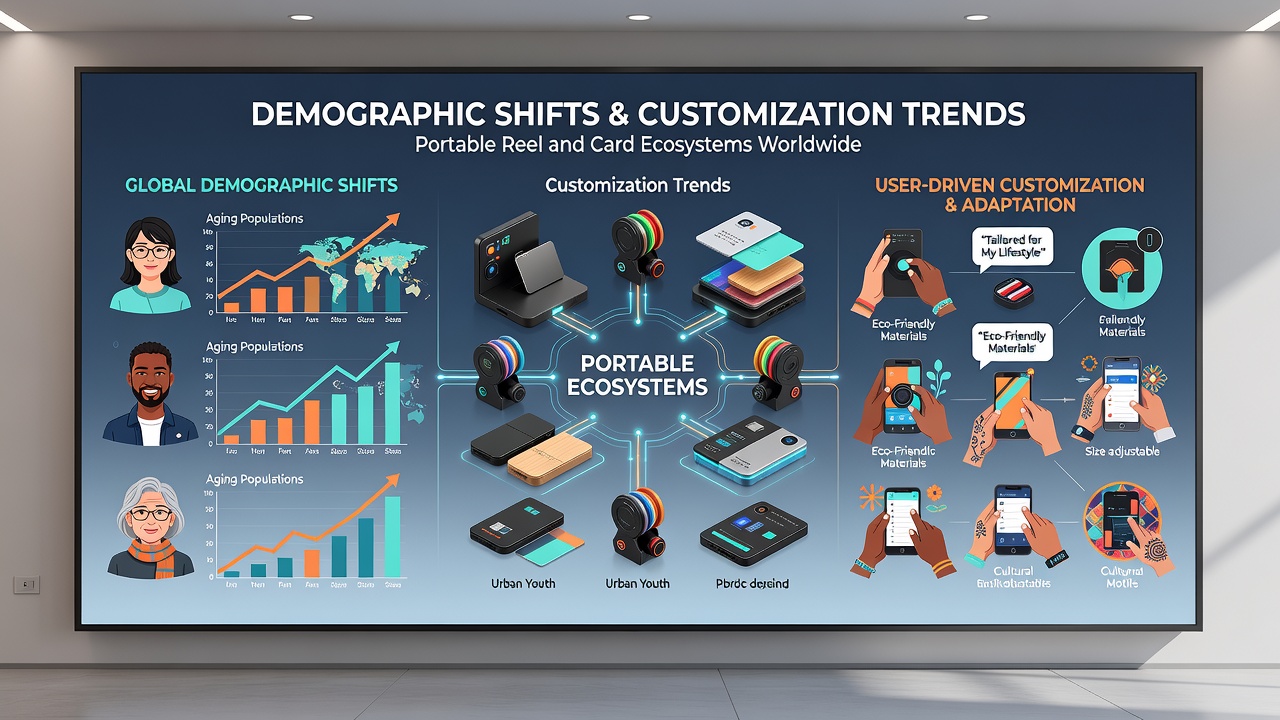
Reel applications now embed region-specific bonus rounds tied to cultural events while card platforms adjust betting limits and table speeds to match local economic conditions. Users in high-density urban zones often receive priority access to real-time multiplayer card tables whereas those in lower-density areas see emphasis on single-player reel progressions with offline capabilities. Such distinctions emerge directly from usage analytics segmented by geographic and demographic variables.
Technology Adoption Rates and Device Preferences Guide Feature Prioritization
Differences in smartphone penetration and data plan affordability across income groups further refine customization strategies. Markets with widespread access to high-speed connections support advanced graphics in both reel and card titles whereas regions with variable connectivity emphasize lightweight versions that maintain core functionality. Government statistical agencies in Brazil and India report varying device upgrade cycles that influence how frequently developers push interface refreshes.
These patterns produce distinct product roadmaps. Portable reel ecosystems in premium device markets integrate augmented reality overlays and haptic feedback while card environments in broader markets focus on battery optimization and compressed asset delivery. Observers tracking adoption curves note that such segmentation allows providers to maintain engagement levels across income brackets without uniform feature deployment.
Conclusion
Demographic data continues to inform development priorities in portable reel and card ecosystems as population profiles shift across the globe. Providers that align interface elements, reward structures, and technical specifications with measurable user characteristics sustain broader reach in competitive mobile environments. Ongoing releases scheduled through June 2026 and beyond reflect these ongoing adjustments based on census updates and participation metrics from diverse regions.