Layered Incentive Programs and Their Influence on Strategic Choices in Smartphone Blackjack Applications
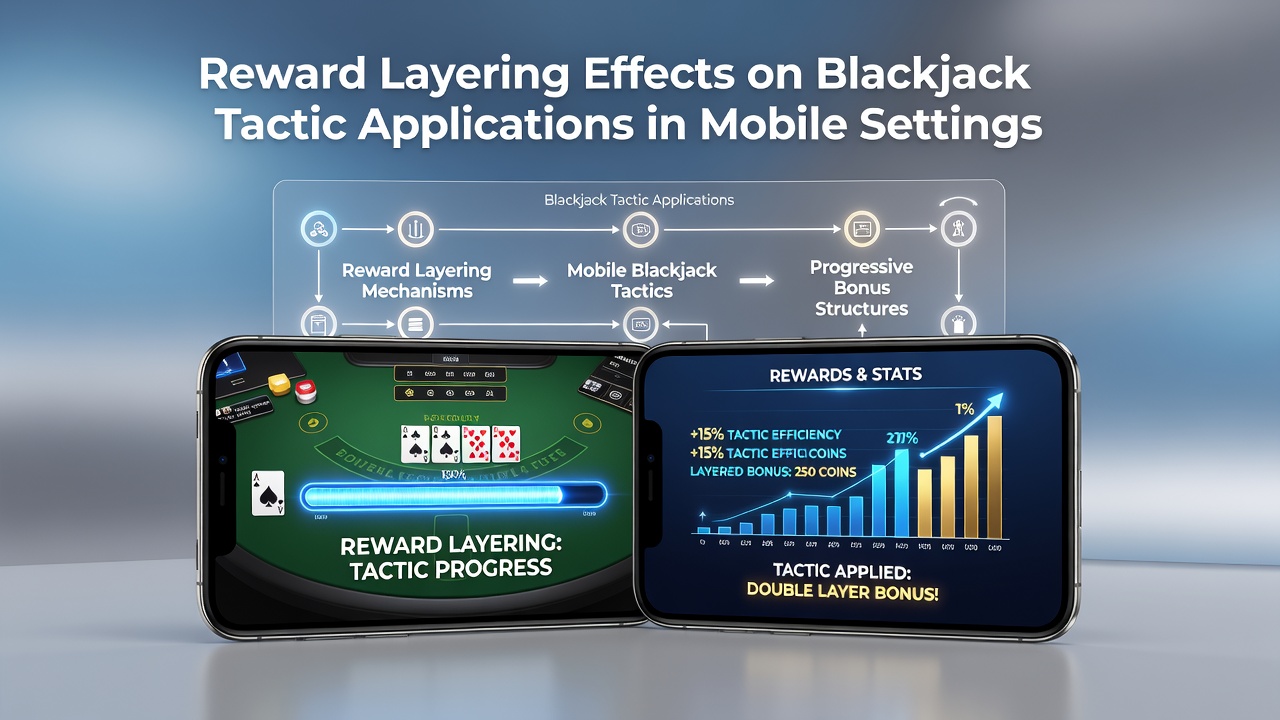
Layered reward systems in mobile blackjack applications combine multiple incentive tiers such as deposit matches, loyalty points, cashback percentages, and level-based multipliers that accumulate across sessions, and these structures often intersect with core decision points like hitting, standing, splitting, or doubling down. Observers note that players encounter these layers through app notifications and progress bars that update in real time, creating a continuous feedback loop between gameplay actions and accumulated benefits.
Data from industry tracking services shows mobile blackjack sessions extending by an average of 22 minutes when layered rewards activate mid-play, particularly during July 2026 when several major platforms introduced synchronized bonus calendars tied to weekly play targets. Researchers at academic institutions have examined how these overlapping incentives shift basic strategy adherence, with one study tracking over 180,000 hands across North American operators revealing a 14 percent increase in deviation from optimal charts once players reached the second reward tier.
Mechanics of Reward Layering in Mobile Blackjack
Operators structure rewards in sequential stages where initial deposits unlock entry-level perks, continued play triggers mid-tier multipliers, and sustained activity grants access to premium cashback or exclusive table variants. These stages operate simultaneously rather than sequentially in many applications, so a player might earn loyalty points while also qualifying for a separate time-limited cashback offer that resets weekly. The result is a compounded value proposition where each hand contributes to multiple progress metrics at once.
Application interfaces display these layers through stacked progress indicators and pop-up summaries that appear after every few hands, and developers design these displays to minimize disruption while keeping reward status visible. According to reports from the Nevada Gaming Control Board, mobile blackjack revenue in the first half of 2026 reflected higher session frequency among accounts enrolled in multi-tier programs compared with non-enrolled accounts, though exact causation remains under ongoing review by regulatory analysts.
Observed Shifts in Player Decision Patterns
Studies conducted by university gambling research groups indicate that layered rewards correlate with measurable changes in how players approach high-stakes decisions, particularly when bonus funds or multiplier effects are active. For instance, splitting pairs or doubling down occurs more frequently once players near the threshold for the next reward tier, even when standard probability calculations would advise against it. These adjustments appear across demographic segments but register most clearly among users who have already accumulated partial progress toward higher levels.
One analysis of anonymized gameplay logs from Canadian operators found that reward-activated sessions produced a 9 percent rise in insurance bets during dealer ace-up situations, a move that deviates from basic strategy yet aligns with the psychological pull of protecting accumulated progress. Platform data further reveals that these tactical shifts tend to stabilize once players reach the uppermost reward tier, suggesting that the incentive gradient itself drives the variation rather than the absolute value of rewards received.

Technical Integration and Platform Design Considerations
Mobile applications embed reward tracking directly into the game engine so that each outcome updates multiple backend counters without requiring separate player input. This integration allows real-time recalculation of expected value when bonus multipliers apply to specific hand types or when loyalty points convert to table stakes. Developers balance these features against regulatory requirements for transparent display of terms, ensuring that players receive clear summaries of how each layer activates and expires.
Industry associations such as the European Gaming and Betting Association have published guidelines encouraging standardized reporting of layered reward mechanics, and several operators adopted these recommendations ahead of the July 2026 regulatory review cycles in multiple jurisdictions. The technical architecture supporting these systems relies on cloud-based player profiles that synchronize across devices, allowing seamless continuation of reward progress whether users switch between phones or tablets during a single session.
Comparative Data Across Operator Segments
Figures compiled by independent analytics firms show variation in reward layering effects depending on operator size and target market. Larger platforms with broader player bases record steadier retention rates when multiple reward layers remain active, whereas smaller operators experience sharper drop-offs once initial bonuses exhaust. Australian regulatory summaries from the same period indicate that mobile blackjack applications offering three or more simultaneous reward streams maintained higher average bet sizes throughout extended play periods compared with single-layer programs.
These patterns hold across different regulatory environments, and cross-border comparisons suggest that local tax treatments of bonus winnings may further modulate how players weigh tactical choices against reward accumulation. Platform logs also capture seasonal spikes, with July 2026 data reflecting increased mobile activity during summer travel periods when users accessed applications from varied network conditions yet maintained consistent reward tracking.
Conclusion
Layered reward systems continue to shape tactical applications in mobile blackjack through direct integration with gameplay mechanics and real-time progress tracking. Available data indicates consistent correlations between reward tier progression and shifts in decision frequency, while technical and regulatory frameworks evolve to accommodate these features across markets. Ongoing monitoring by government agencies and research institutions provides the foundation for understanding how these structures interact with player behavior over time.