Layered Loyalty Incentives in Portable Reel Systems: Influences on Deposit Timing for Worldwide Player Segments
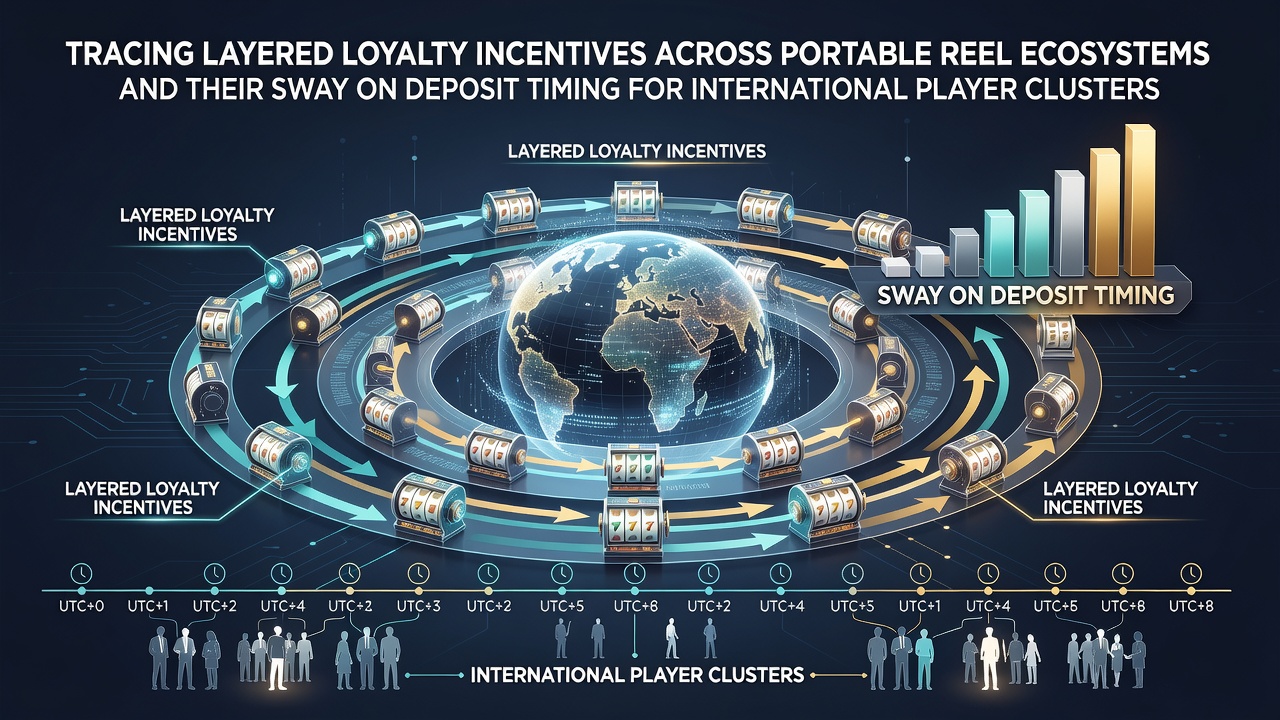
Portable reel ecosystems operate through mobile applications that deliver slot games to players across multiple continents, and these platforms integrate layered loyalty incentives such as point accumulation systems, tiered status levels, and time-sensitive bonuses that tie directly to deposit activity. Data from industry reports indicate that operators structure these incentives to encourage repeated funding actions at specific intervals, with international player clusters responding according to regional economic cycles and platform access patterns. Researchers who analyzed transaction logs from 2025 noted that deposit timing often aligns with the reset periods of loyalty tiers, creating predictable surges in funding during the final days of monthly or quarterly cycles.
Mechanics of Tiered Reward Structures in Mobile Slot Platforms
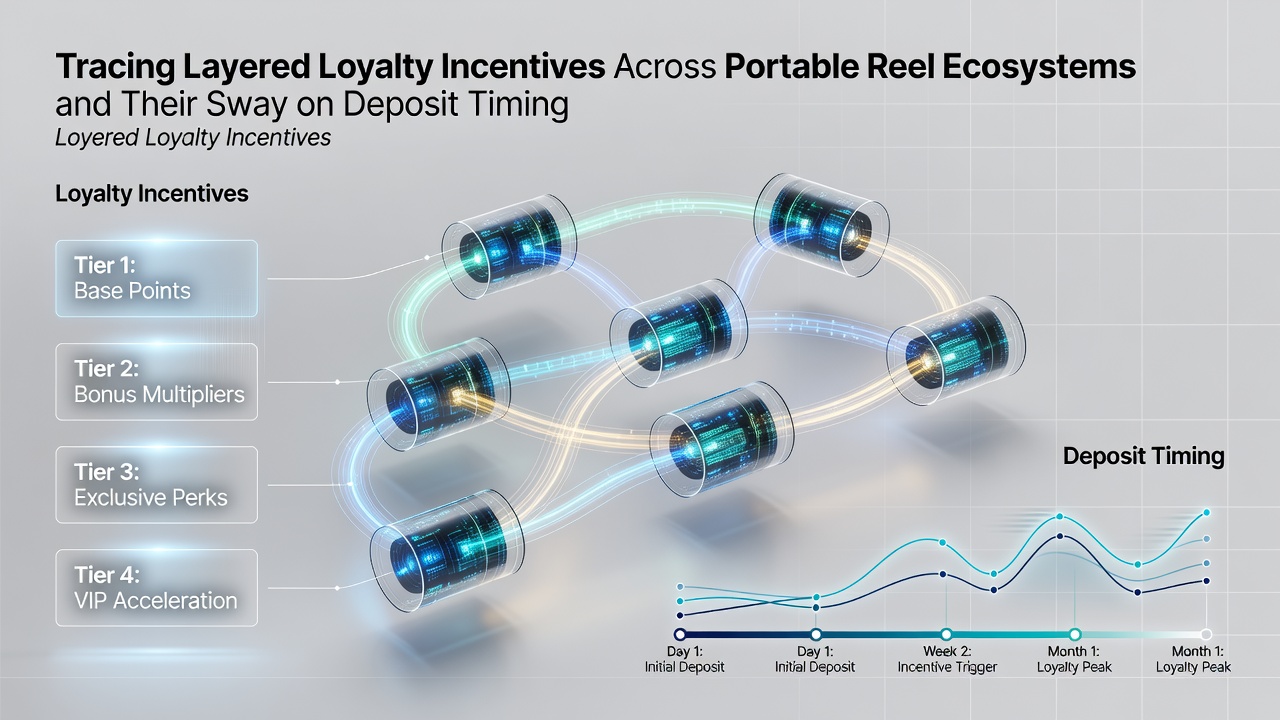
Layered loyalty programs assign players to progressive tiers based on cumulative deposits and gameplay volume, where each level unlocks higher multipliers on rewards and exclusive bonus features. Operators track these metrics through backend systems that update in real time, allowing players to monitor progress via in-app dashboards. Studies conducted by academic teams at institutions focused on behavioral economics show that the promise of advancing to the next tier prompts many users to schedule deposits ahead of deadlines, particularly when bonus credits expire within a set window. In June 2026, several major platforms introduced synchronized global tier resets that coincided with regional holidays, resulting in measurable increases in deposit volumes from clusters in Asia and Europe during those periods.
International player groups demonstrate distinct responses because currency fluctuations and local banking availability affect how quickly they can meet deposit thresholds. Observers tracking data from North American and Australian markets found that players in these regions often consolidate deposits into single larger transactions near tier deadlines, whereas clusters in Southeast Asia tend to make smaller, more frequent deposits spread across the cycle to maintain steady point accrual. These patterns emerge because layered incentives reward consistency through streak bonuses that reset if activity lapses for more than a defined number of days.
Regional Variations in Deposit Timing Among Global User Clusters
Player clusters from different geographic areas interact with loyalty mechanics according to local regulatory environments and payment infrastructure. Data compiled by the American Gaming Association revealed that U.S.-based users frequently time deposits to align with paycheck cycles, amplifying activity when loyalty multipliers activate on weekends. In contrast, participants from European markets adjust timing around value-added tax refund periods, using those inflows to push toward higher tiers before quarterly resets occur.
Platforms serving Latin American and African player segments incorporate flexible deposit windows that accommodate variable mobile network reliability, and loyalty systems in these regions often extend grace periods for tier maintenance. Research published through the Asia Pacific Association of Gaming Regulators indicates that deposit timing in these clusters shifts earlier in the month when currency exchange rates favor incoming transfers, allowing players to maximize point values before rates fluctuate again. Such adjustments demonstrate how external economic factors intersect with the internal mechanics of portable reel loyalty layers.
Impact of Time-Bound Bonuses on Funding Behavior
Time-bound elements within loyalty programs, including flash deposit multipliers and limited-time tier accelerators, create concentrated windows of activity that operators monitor through aggregated analytics. These features require players to complete deposits within 48 to 72 hours to claim enhanced rewards, and transaction records from 2025-2026 show repeated spikes in funding during those intervals across all major regions. Clusters in high-volatility markets respond more aggressively to these windows because the bonuses offset perceived risks associated with currency conversion fees.
Operators have adjusted incentive calendars in response to observed behaviors, spacing out time-bound offers to prevent simultaneous surges that strain payment processors. In June 2026, several ecosystems implemented staggered bonus activations that staggered by time zone, reducing peak load while maintaining engagement levels among dispersed international groups. The resulting data sets illustrate clear correlations between bonus availability and deposit clustering, with loyalty tier progression serving as the primary driver for timing decisions.
Data Patterns and Platform Adaptations
Analytics firms that process anonymized transaction data across portable reel ecosystems report consistent trends where higher-tier players advance their deposit schedules by several days compared to lower-tier counterparts. This shift occurs because elevated status levels carry stricter activity requirements that reward proactive funding. Platforms respond by refining notification systems that alert users to impending deadlines through push messages timed to regional banking hours.
Those who study these ecosystems note that international clusters adapt their strategies based on historical performance metrics displayed within the apps themselves. Players review past deposit outcomes alongside loyalty point gains, then adjust future timing to optimize tier advancement. Such self-directed calibration appears across multiple markets without direct operator intervention, highlighting how the layered structure itself guides behavior through visible progress indicators.
Conclusion
Layered loyalty incentives embedded in portable reel ecosystems exert measurable influence over deposit timing for international player clusters through tier thresholds, time-bound bonuses, and regional economic alignments. Transaction patterns documented through 2026 continue to reflect these dynamics, with operators refining structures to match observed behaviors across global segments. The interplay between incentive layers and funding decisions remains a central element in how mobile slot platforms sustain engagement among dispersed user bases.