Regional Banking Trends Influencing Strategic Shifts in Mobile Poker Environments Globally
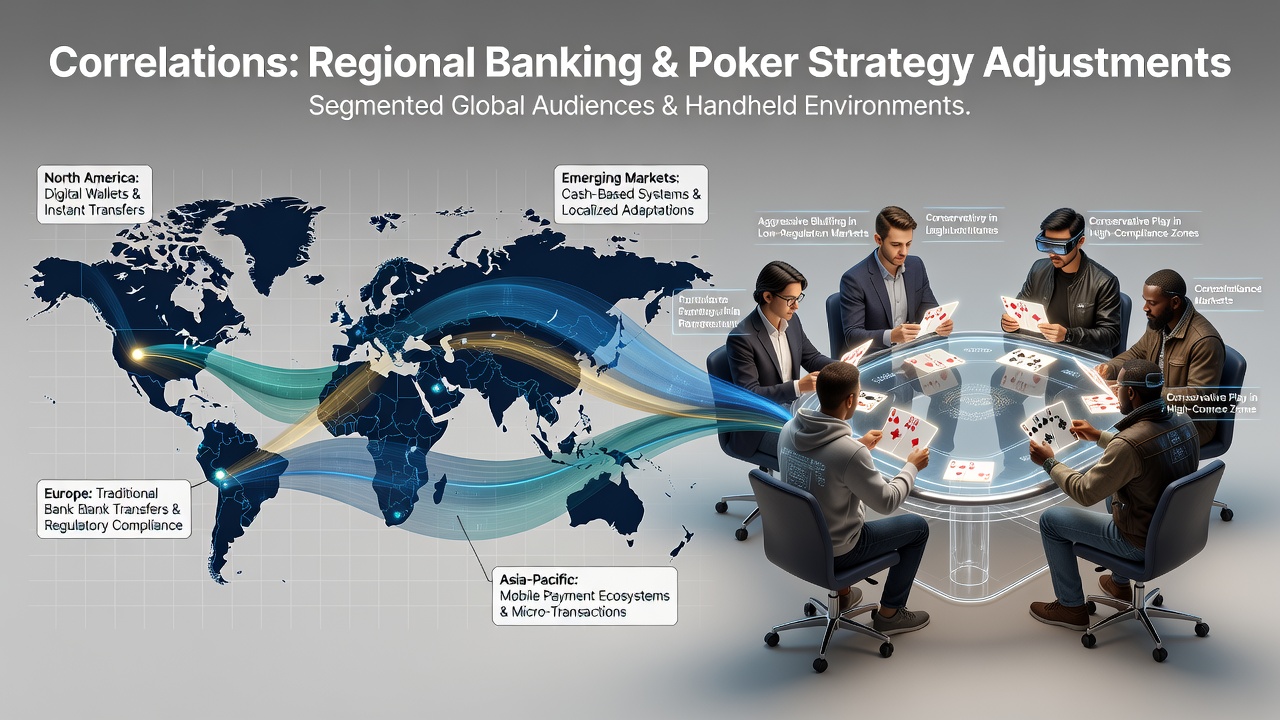
Data from mid-2026 shows clear patterns where preferred payment methods in specific regions correlate with how players adjust their approaches in handheld poker applications, and observers note these connections appear strongest among segmented user groups defined by location and demographics. According to reports from the Nevada Gaming Control Board, North American users often favor credit card deposits which enable quicker session starts, while players in parts of Asia lean toward e-wallet options that tie into slower but more controlled funding cycles.
These differences lead to measurable adjustments in poker tactics, such as bet sizing and session length, as users adapt their playstyles to match deposit timing and withdrawal processes common in their areas. Research indicates that in regions where bank transfers dominate, participants extend play periods to maximize value from fewer but larger transactions, whereas instant payment users tend toward frequent small bets that align with rapid funding availability.
Payment Method Variations by Region
Banking preferences vary widely across continents, and July 2026 figures from the Singapore Gambling Regulatory Authority highlight how Southeast Asian markets show heavy reliance on digital wallets linked to local banking apps, which in turn shapes poker variant selections toward those with lower entry stakes. European segments demonstrate stronger use of direct bank links and prepaid cards, prompting players to favor structured tournament formats over cash games because withdrawal schedules fit better with those preferences.
North American data reveals credit and debit cards as primary tools, correlating with aggressive pre-flop strategies since instant top-ups support riskier moves without waiting periods. In contrast, Latin American users often integrate cryptocurrency options, leading to strategic shifts where participants monitor exchange rates alongside hand odds before committing funds.
Strategic Adjustments in Handheld Poker
Players adjust core elements like aggression levels and hand selection based on how their regional banking systems process transactions, and studies from the Canadian Centre on Substance Use and Addiction find that mobile poker environments reflect these influences through built-in features such as deposit reminders timed to local payment norms. Those in high e-wallet regions show increased use of sit-and-go formats because quick reloads match the seamless nature of their preferred methods, while bank transfer heavy areas see more emphasis on multi-table play to spread risk across longer commitment windows.
Segmented audiences further refine these patterns, with younger demographics in urban Asia adapting to micro-stakes tables that sync with frequent small deposits, whereas older groups in traditional banking markets stick to mid-stakes cash games supported by scheduled funding. Evidence suggests these adjustments emerge naturally as platforms incorporate region-specific analytics to optimize user retention.
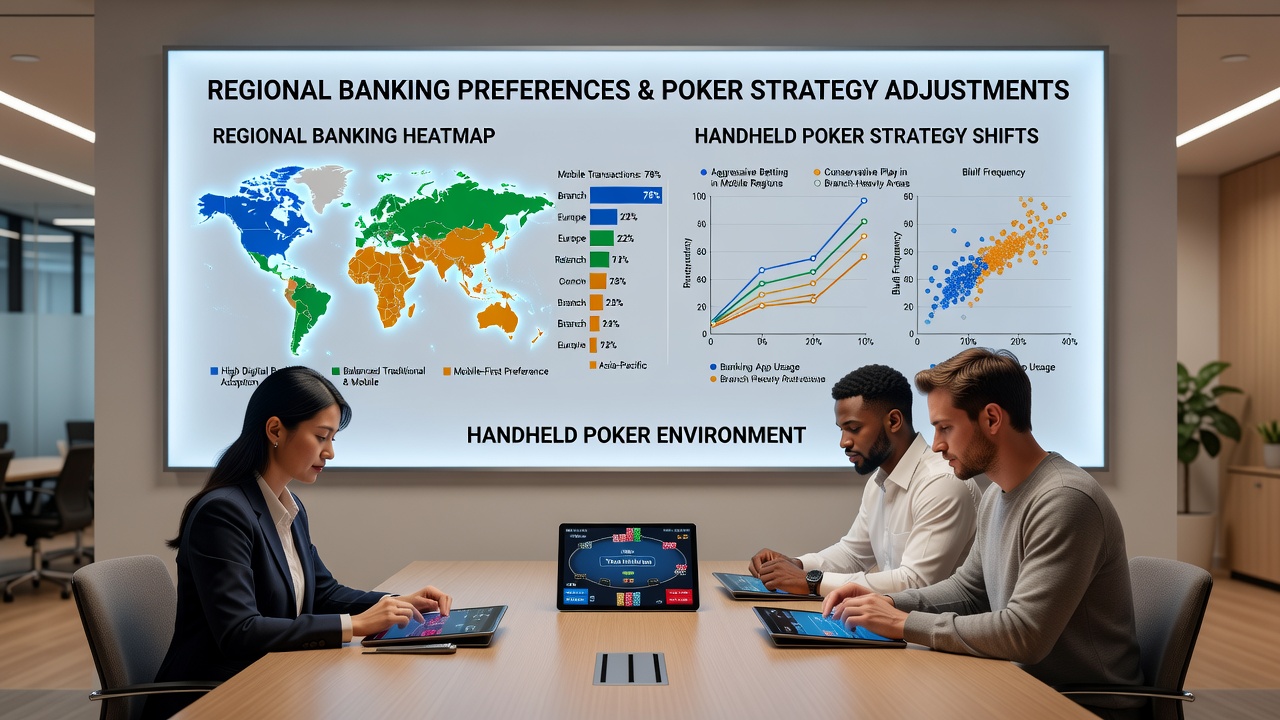
Audience Segmentation and Global Patterns
Global audiences break down into segments where banking habits intersect with cultural factors, and data compiled by the European Gaming and Betting Association in 2026 illustrates how these intersections drive variant popularity. Mobile poker operators track how Australian users, who often use POLi and similar instant bank options, gravitate toward heads-up formats that allow precise control over session costs aligned with their transaction speeds.
Meanwhile, Middle Eastern segments with preferences for card-based systems exhibit higher engagement in multiway pots, as funding stability supports sustained participation. Observers note that these correlations strengthen when platforms segment users by both region and payment history, allowing tailored interfaces that highlight games matching local banking rhythms.
Platform Responses and Data Trends
Operators respond by integrating analytics that link deposit methods to gameplay metrics, and July 2026 industry reports indicate rising adoption of features like region-locked tournament schedules that accommodate varying banking cycles. This approach helps maintain engagement across diverse groups without forcing uniform strategies, as players naturally gravitate toward options that complement their funding preferences.
Figures reveal continued growth in these correlations as mobile penetration expands, particularly where regulatory frameworks in different jurisdictions encourage localized payment integrations.
Conclusion
Correlations between regional banking preferences and strategic adjustments in handheld poker environments continue to shape how segmented global audiences engage with the game, supported by ongoing data collection from regulatory and research bodies worldwide. These patterns provide operators with insights for refining mobile experiences that respect local financial habits while supporting varied playstyles across markets.