Regional Player Preferences Fueling Changes in Mobile Table Interfaces Through Banking Trends
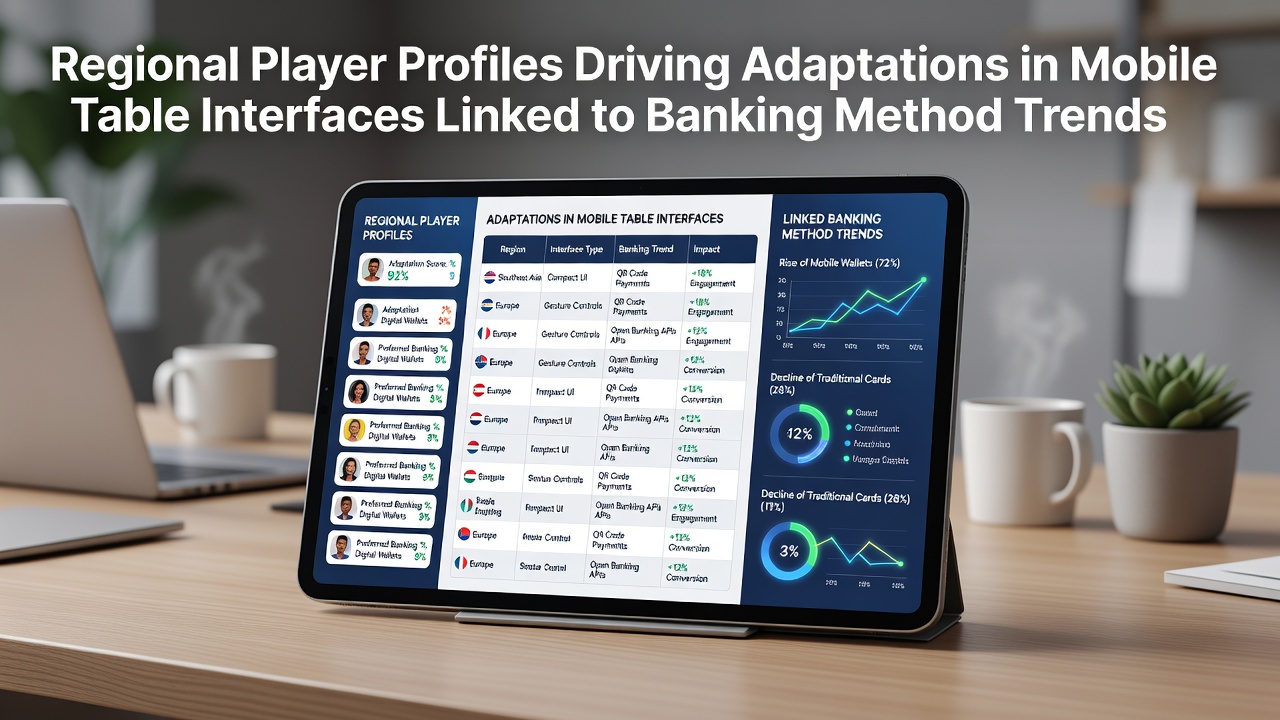
Regional player profiles have started shaping how mobile table interfaces evolve, especially where banking method trends intersect with user behavior across different markets, and data collected through mid-2026 shows clear patterns emerging from North America, Asia-Pacific, and European segments. Observers note that payment preferences often dictate layout adjustments, button placements, and even session flow designs in applications offering blackjack, baccarat, and poker variants.
Studies from industry analysts indicate that North American users frequently rely on credit card and ACH transfers, which prompts developers to prioritize quick verification screens and multi-step confirmation flows within table game lobbies. These adaptations reduce friction during high-stakes decisions, while Asian markets lean toward e-wallet and QR code systems that integrate seamlessly with instant deposit prompts right on the game screen itself.
Mapping Player Profiles to Interface Elements
Player segmentation data reveals distinct clusters where age groups, spending habits, and preferred banking rails converge to influence specific UI choices. Younger demographics in urban centers across Canada and Australia tend to favor streamlined one-tap banking links that appear alongside betting controls, allowing seamless transitions between card draws and account top-ups without leaving the active table view.
Meanwhile established player groups in mature markets demonstrate stronger engagement when interfaces surface detailed transaction histories directly within poker or roulette sessions. Research compiled by the American Gaming Association highlights how these embedded elements correlate with extended play durations, particularly when regional banking regulations support faster settlement times.
Banking Trends Driving Technical Adjustments
Payment method popularity continues to steer backend configurations that surface in frontend table designs. In regions where digital wallets dominate, mobile applications often embed balance refresh indicators near chip stacks so players maintain constant awareness during rapid betting rounds. This linkage becomes especially visible in June 2026 reports tracking interface updates rolled out across multiple operators.
European operators outside the UK have adjusted table interfaces to accommodate SEPA instant transfers by adding confirmation overlays that appear only after players commit to a hand, preserving game rhythm while complying with local financial standards. Such modifications reflect broader shifts documented in cross-border gaming analyses.
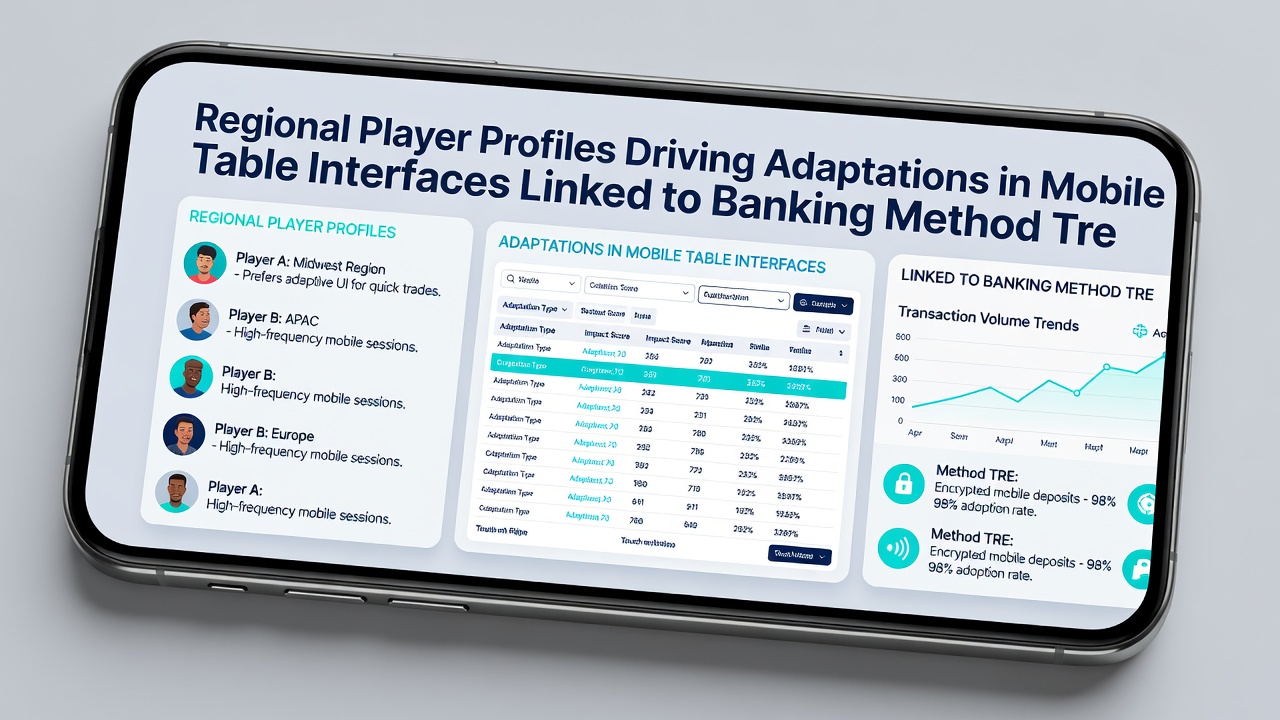
North American platforms show parallel developments where state-specific banking rules encourage interfaces to display real-time authorization statuses during live dealer interactions. Those who've examined user flow metrics report fewer drop-offs when these status indicators remain visible yet unobtrusive throughout a session.
Geographic Variations in Practice
Asia-Pacific markets illustrate another layer where mobile table adaptations align closely with popular local banking rails such as GrabPay or Alipay integrations. Interfaces here frequently position deposit shortcuts adjacent to side bet options, creating fluid movement between funding actions and strategic choices without disrupting immersion.
Canadian provincial frameworks have similarly prompted developers to refine table interfaces around Interac-powered deposits, with observers noting placement of funding prompts near player action timers to accommodate both casual and high-volume participants. Data from iGaming Ontario underscores measurable upticks in table game retention following these targeted layout refinements.
What's interesting emerges when comparing these regional approaches side by side, because banking method availability often determines whether interfaces emphasize speed, transparency, or security cues at critical decision points during play.
Conclusion
Regional player profiles continue to guide how mobile table interfaces incorporate banking method trends, producing measurable differences in layout, timing, and feature visibility across global markets. Evidence from multiple regulatory and industry sources demonstrates these connections remain dynamic, with ongoing adjustments expected as payment ecosystems and player expectations evolve through the latter half of 2026 and beyond.