Sweepstakes Casinos Face Fresh State-Level Hurdles Entering 2026
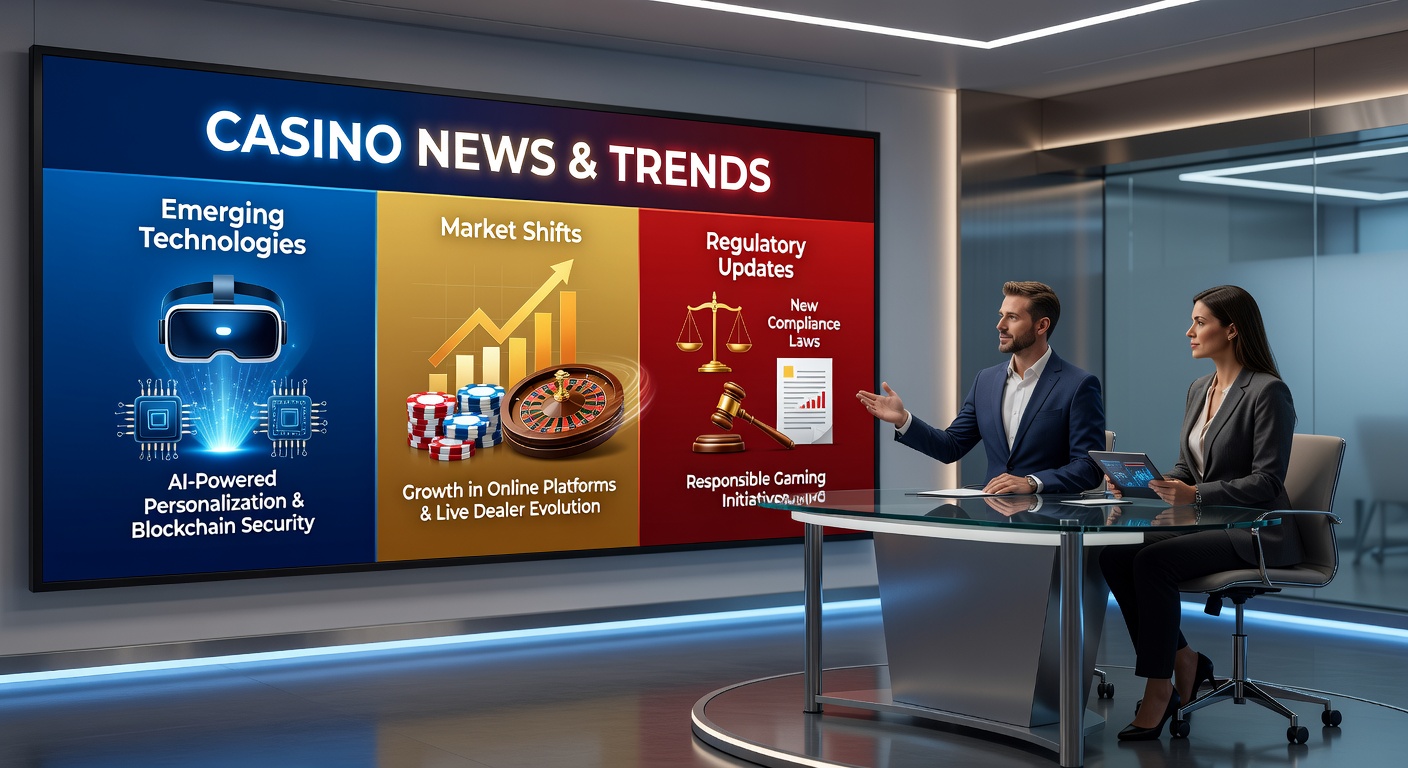
The U.S. sweepstakes casino sector entered 2026 facing increasing state-level restrictions after years of growth outside traditional iGaming frameworks, and operators quickly moved to adjust their footprints while new rules took hold in key markets. California’s Assembly Bill 831 took effect on January 1, 2026 and removed an estimated 20 percent of national revenue according to trade press reports, while Indiana’s House Bill 1052 was signed in March 2026 with an effective date of July 1, 2026. Earlier closures had already occurred in Maine, New York, Connecticut, Mississippi, Louisiana, Montana, and Nevada throughout 2025, setting the stage for continued pressure across multiple jurisdictions.
California Legislation Removes Significant Revenue Share
Assembly Bill 831 altered the operating environment for sweepstakes platforms in California, one of the largest markets for these offerings, and the change forced immediate portfolio reviews among major providers. Data from industry tracking shows the state had accounted for roughly one-fifth of overall sweepstakes casino activity before the bill’s enforcement date, so operators began scaling back promotions and user acquisition campaigns targeted at California residents. Those adjustments included tighter geofencing measures and revised marketing language that highlighted compliance with the new statute while directing players toward remaining legal options in other states.
Indiana Bill Adds Another Layer of Oversight
Indiana’s House Bill 1052, signed in March 2026, introduced additional licensing and operational requirements that take effect July 1, 2026, and companies with existing sweepstakes products quickly evaluated whether to maintain or exit the market. The legislation aligns with broader efforts by state lawmakers to bring sweepstakes-style gaming under clearer regulatory structures, and observers note that several national operators paused new user registrations in Indiana during the spring months while legal teams reviewed compliance pathways. As of May 2026, industry filings indicate that at least two major platforms have signaled plans to wind down sweepstakes offerings in the state ahead of the July deadline rather than pursue the required licensing process.
Pattern of 2025 Closures Sets Precedent
States that acted during 2025, including Maine, New York, Connecticut, Mississippi, Louisiana, Montana, and Nevada, established a clear precedent that continued into the following year, and companies responded by exiting those jurisdictions entirely or restructuring their product lines to avoid prohibited mechanics. Trade data reveals cumulative revenue losses from those earlier actions reached double digits nationally, prompting a wave of strategic shifts that carried over into 2026 planning cycles. Companies that had previously relied on dual-coin models in those states accelerated transitions to single-currency formats or alternative game types to stay within revised legal boundaries where possible.
Virtual Gaming Worlds Leads Portfolio Adjustments
Virtual Gaming Worlds, the parent company behind Chumba Casino and related platforms, has been among the most visible operators adapting to the shifting landscape through a combination of state exits, new brand launches such as LuckyLand Casino and Just Slots, and modifications to core mechanics. The company reduced its reliance on dual-coin systems in restricted territories while rolling out enhanced responsible-play messaging across remaining sites, and it also streamlined its overall game portfolio to focus on titles that align with updated state expectations. These moves mirror actions taken by other national providers who similarly withdrew from closed states and redirected resources toward markets still permitting sweepstakes operations.
Industry-Wide Shifts in Mechanics and Messaging
Across the sector, operators have moved away from dual-coin mechanics in states with active restrictions while amplifying responsible-play disclosures and compliance tools, and these changes reflect direct responses to enforcement patterns observed since 2025. New brand launches like LuckyLand Casino and Just Slots allow companies to test alternative positioning that avoids legacy sweepstakes structures now facing scrutiny, yet they also maintain user engagement in jurisdictions where such formats remain viable. Data compiled by gaming analysts shows that platforms adopting these adjustments experienced slower but steadier user retention compared with those attempting to operate under older models in tightening regulatory environments.
Conclusion
By May 2026 the cumulative impact of Assembly Bill 831, House Bill 1052, and the prior year’s state actions had produced a more fragmented national picture for sweepstakes casinos, with operators concentrating resources in remaining open markets and refining product offerings to meet evolving compliance standards. The pattern of targeted legislation continues to influence strategic decisions at companies such as Virtual Gaming Worlds, where portfolio realignments and new brand introductions serve as primary tools for navigating the current environment. Trade press coverage and regulatory filings indicate that further adjustments are likely as additional states evaluate similar measures in the months ahead.