The Intricate Design Processes Behind Customizable Table Game Interfaces Tailored for Diverse Player Demographics
 Research into user behavior shows that table game interfaces in digital environments have evolved through layered development cycles that prioritize adaptability across age groups, cultural backgrounds, and accessibility needs. Teams begin with extensive data collection from player interactions, where analytics track click patterns, session durations, and preference shifts during gameplay sessions involving titles like blackjack or baccarat. This phase incorporates feedback loops from focus groups representing different demographics, allowing designers to map out variations in visual complexity and control layouts that suit both novice users and experienced players. Designers integrate modular components early in the workflow, which lets players adjust elements such as card animations, betting sliders, and color schemes without disrupting core rulesets. Studies from academic institutions highlight how these modules draw on principles of responsive design, where screen resolutions and device types influence the scaling of interface elements automatically. In practice, developers employ iterative prototyping tools that simulate real-time changes, testing how adjustments perform under varying network conditions and player volumes.
Research Foundations and Demographic Mapping
Teams compile demographic profiles through surveys and behavioral logs that reveal distinct patterns, such as preferences for simplified interfaces among older players contrasted with high-detail graphics favored by younger audiences. Data from regional gaming reports indicates that customization options often include language toggles and culturally specific icon sets, which accommodate users from North American, European, and Asia-Pacific markets simultaneously. Observers note that incorporating these elements requires cross-functional collaboration between psychologists, graphic artists, and software engineers who align visual cues with cognitive load studies.
One notable approach involves segmenting audiences by motor skill variations and visual acuity levels, leading to scalable font sizes and gesture-based controls that replace traditional taps for certain groups. Researchers discovered that such tailoring reduces error rates in high-stakes decisions during table games, while maintaining regulatory compliance across jurisdictions. As of May 2026, ongoing projects continue to refine these mappings with fresh datasets gathered from expanded player bases in emerging markets.
Technical Implementation of Customization Layers
Development pipelines rely on backend systems that store user profiles and apply rule-based algorithms to generate personalized views on demand. These systems connect with front-end frameworks capable of swapping themes, rearranging control panels, and modifying audio feedback without reloading entire sessions. Programmers utilize frameworks that support dynamic asset loading, which optimizes performance when players switch between minimalist and elaborate display modes during extended play.
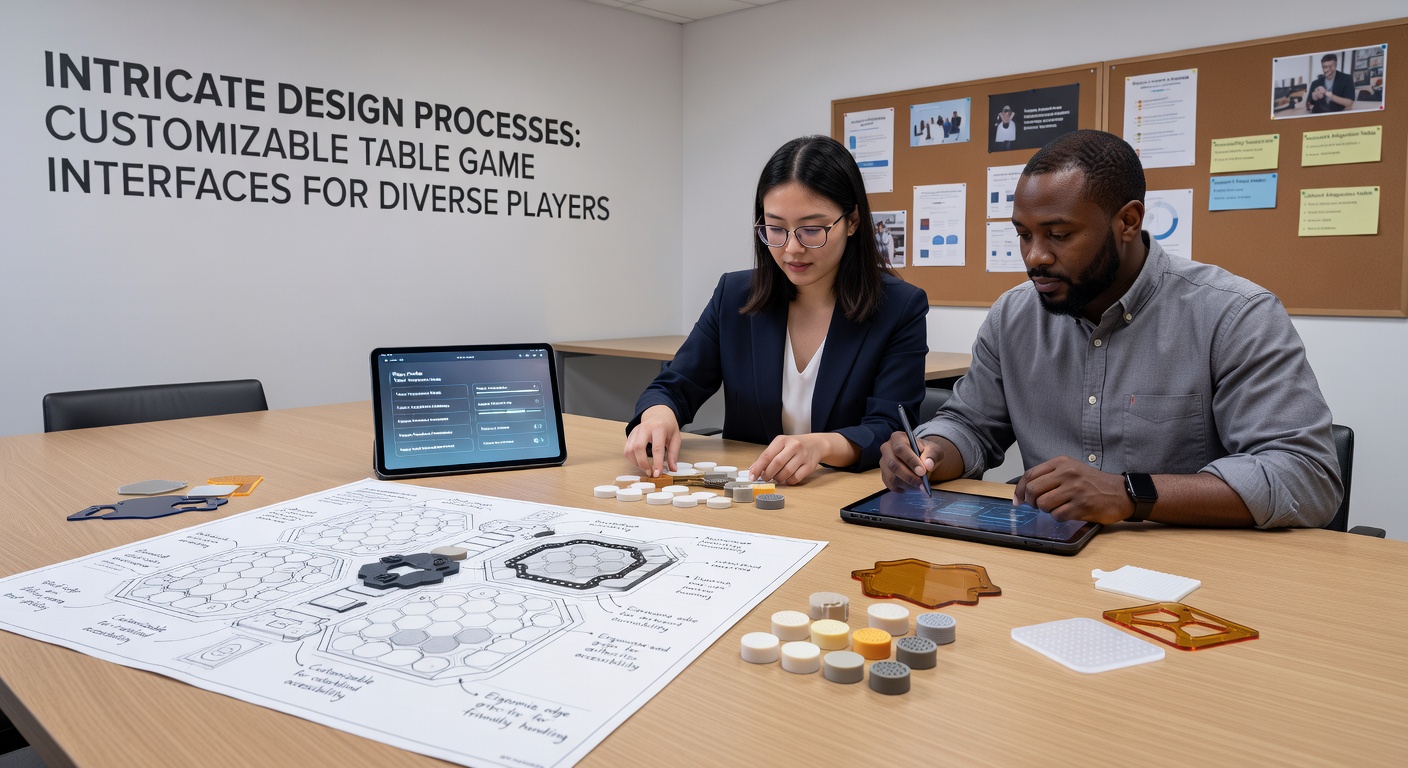
Integration with accessibility standards ensures features like screen reader compatibility and high-contrast modes activate based on detected user settings or explicit choices. Engineers test these configurations across multiple operating systems to confirm consistency, while analytics platforms monitor adoption rates for each customization option. Reports from industry organizations such as the Gaming Standards Association document how these technical layers contribute to broader player retention metrics observed in operational environments.
Balancing Complexity with Usability
Design processes emphasize equilibrium between feature richness and intuitive navigation, where excessive options risk overwhelming certain demographics. Prototyping sessions often reveal that streamlined default settings with optional expansions perform better across diverse groups, prompting iterative refinements that prioritize essential functions first. Data from university-led experiments shows measurable improvements in task completion times when interfaces adapt progressively rather than presenting full customization menus at launch.
Collaboration with regulatory bodies in regions like Australia and Canada provides guidelines that shape these balances, ensuring interfaces meet fairness and transparency requirements while supporting personalization. Developers apply version control practices to track changes across releases, allowing rapid deployment of updates informed by live player data streams.
Conclusion
Overall, the design processes behind customizable table game interfaces combine empirical research, technical modularity, and demographic sensitivity to create adaptable experiences. Evidence from multiple sources confirms that these methods support engagement across varied player populations through systematic iteration and data-driven adjustments. Continued advancements in this area reflect ongoing efforts to align digital table games with evolving user expectations in a global context.