Tracing Reward Structure Influences on Strategy Shifts in Mobile Poker Environments Through Layered Banking Integrations
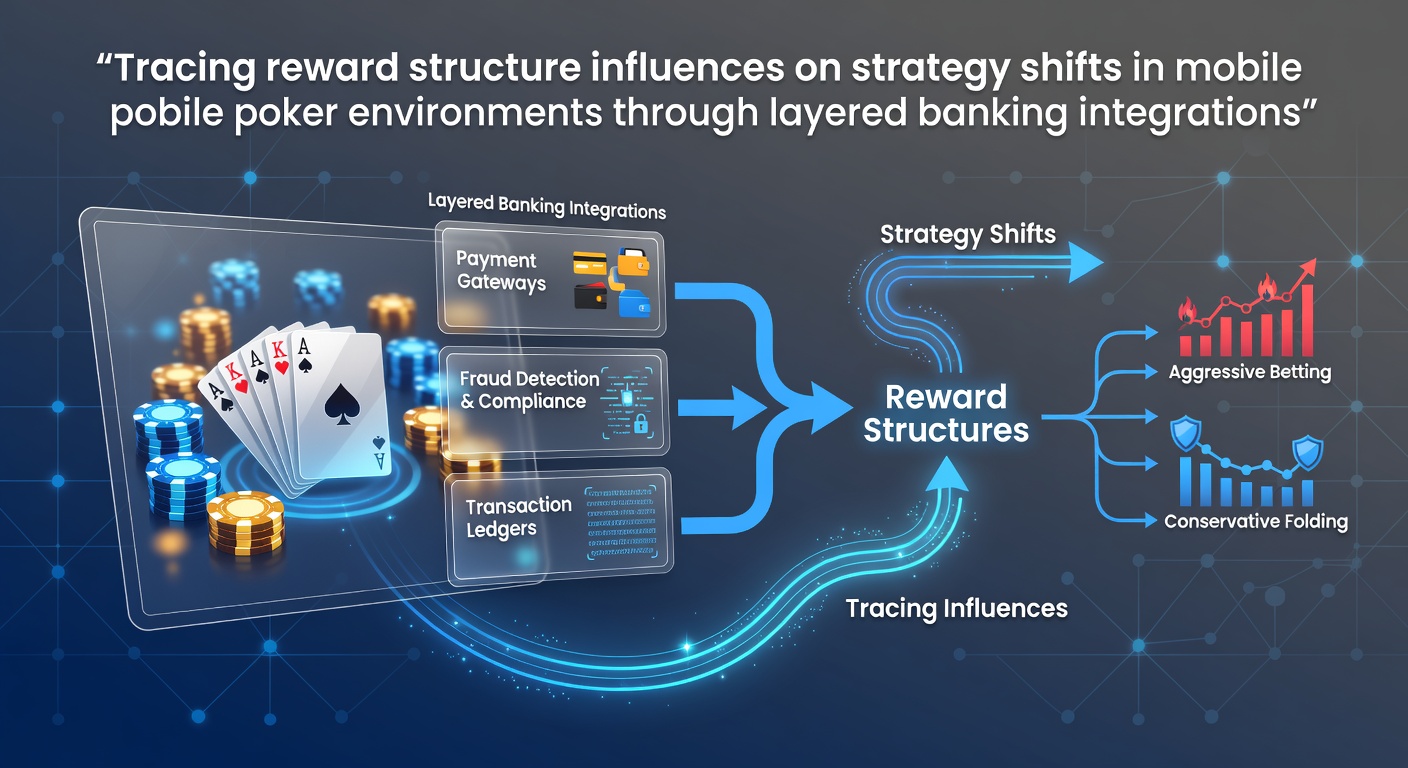
Players in mobile poker environments encounter reward structures that tie directly into layered banking integrations, where multiple deposit and withdrawal methods connect with loyalty programs and bonus systems. These setups have expanded as operators incorporate various payment layers including digital wallets, bank transfers, and cryptocurrency options, each carrying distinct reward multipliers or point accruals that alter how participants approach gameplay decisions.
Core Elements of Reward Structures in Mobile Poker
Reward structures typically operate through tiered loyalty points earned per hand or per dollar wagered, with accelerated accumulation when users route transactions through specific banking layers such as e-wallets that offer instant processing. Data from industry analyses shows that players often adjust their bet sizing and hand selection patterns once they reach higher reward tiers, since those levels unlock cashback percentages or tournament entries that favor sustained volume over selective aggression.
Layered banking integrations add complexity because each payment method feeds into separate reward pools. One layer might grant immediate bonus funds tied to credit card deposits, while another accumulates points through cryptocurrency transfers that convert at different rates during peak promotional periods. Observers note that these distinctions prompt strategy adjustments, particularly in June 2026 when several platforms updated their integration protocols to align with new regional compliance standards.
Strategy Adjustments Linked to Banking Layers
Participants frequently shift from tight-aggressive styles to looser calling ranges when reward multipliers activate through preferred banking channels. Research indicates that the promise of layered bonuses encourages more hands played per session, since accumulated points convert into real value only after meeting volume thresholds established by the integration system. Those who've examined transaction logs across multiple apps report that users who combine instant banking layers with reward tracking tend to extend sessions by 20 to 30 percent compared with single-method approaches.
What's interesting is how these integrations create feedback loops. A player who deposits via a high-reward banking layer receives both immediate balance boosts and long-term point incentives, which in turn supports continued play that might otherwise stop at lower bankroll levels. Studies from academic sources have documented measurable increases in pre-flop raise frequencies among users who monitor real-time reward dashboards linked to their chosen payment methods.
Case Examples from Platform Data
Take one documented case where a major mobile operator introduced layered banking that rewarded cryptocurrency deposits with double loyalty points during June 2026 promotional windows. Players responded by reallocating deposit strategies toward those methods, which correlated with higher average pot sizes as participants chased the additional reward tiers. Another instance involved an app that integrated traditional bank transfers with slower point accrual but higher cashback caps, leading users to adopt more conservative post-flop strategies to preserve bankrolls while still qualifying for the rewards.
Technical Integration Mechanisms
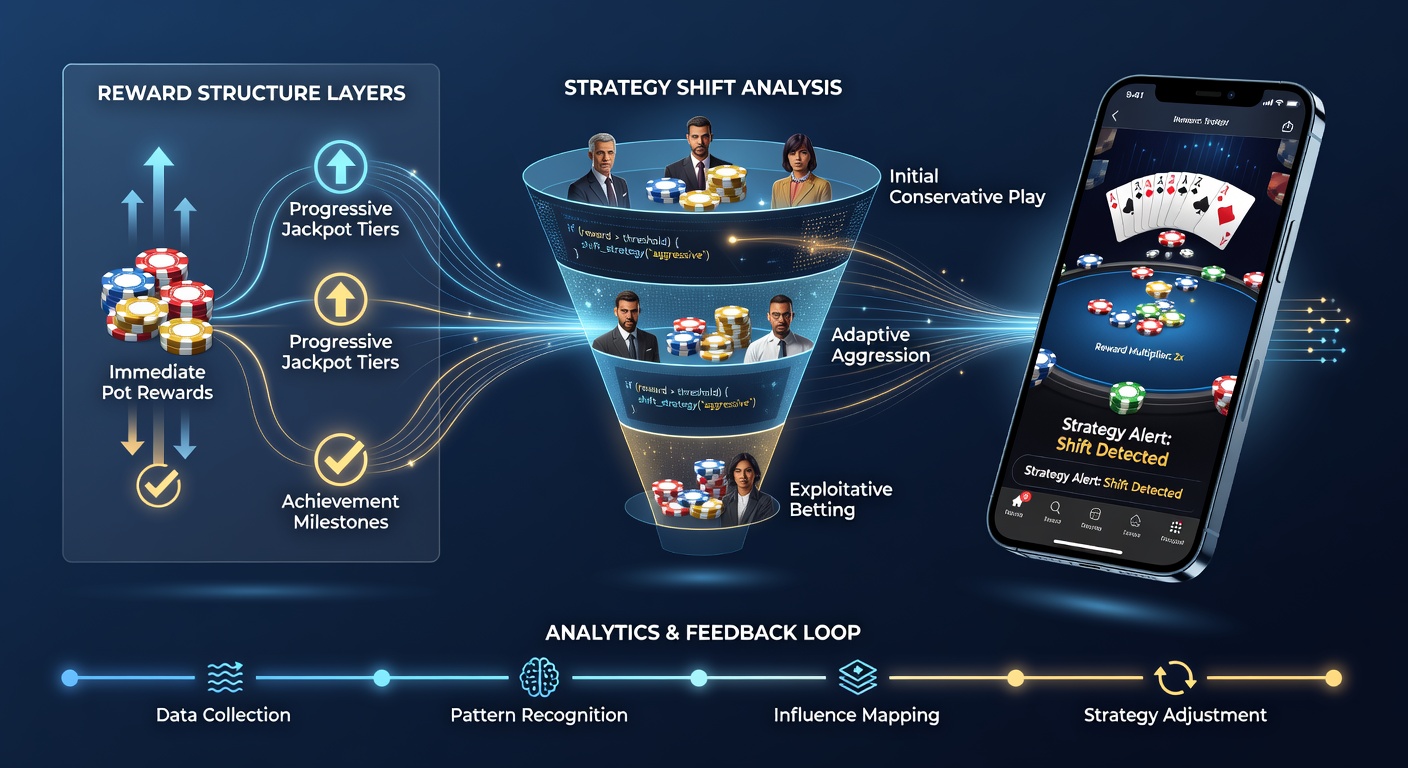
Operators build these systems through APIs that connect banking processors directly to reward engines, allowing real-time updates to player accounts as deposits clear. The process tracks not only transaction amounts but also timing and method type, assigning different multipliers that influence subsequent game selections. Figures from regulatory reports reveal that platforms with advanced layered integrations saw increased retention rates during periods when reward thresholds aligned with common deposit patterns.
Yet the mechanics extend beyond simple point tracking. Some integrations include dynamic adjustments where reward rates fluctuate based on overall platform volume, prompting players to time their banking activities and poker sessions accordingly. This creates observable shifts in peak activity hours, with data showing concentrated play windows immediately following the activation of higher-tier banking rewards.
Broader Industry Patterns
According to analyses from the American Gaming Association, mobile poker segments have incorporated more diverse banking layers since early 2025, correlating with changes in player behavior metrics tracked across multiple jurisdictions. Australian research institutions have similarly reported that reward structures tied to layered payments affect decision-making speed, as users weigh immediate banking bonuses against longer-term strategy sustainability.
Those monitoring these trends observe that players often experiment with multiple banking integrations within a single session, testing which combination yields the most favorable reward-to-risk ratio. Such experimentation frequently leads to temporary strategy deviations, including increased bluff frequencies when bonus funds from certain layers sit in the account balance.
Conclusion
Layered banking integrations continue to shape how reward structures influence strategy in mobile poker by creating interconnected incentives that reward specific transaction behaviors while affecting in-game choices. As platforms refine these systems through updated protocols, the connections between payment methods and gameplay adjustments remain a central focus for operators seeking to balance player engagement with operational requirements. Data collected through June 2026 and beyond will likely clarify further patterns in how these elements interact across different regulatory environments.